
April 11, 2026
April Payout Report: Pix Holds at 94 Seconds, Card Tail Tightens
37 new receipts added, card 90th percentile dropped to 28 hours, UPI median shaved to 71 minutes. Full tables and supporting wallet evidence screens included.
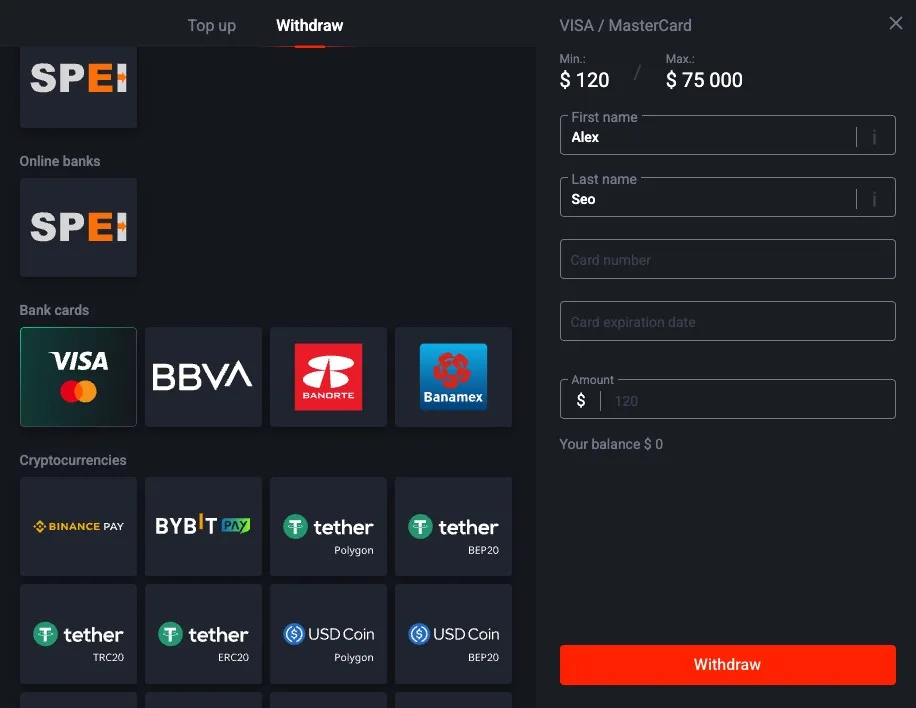

Every month I publish a payout report with the fresh median hours, new reader submissions added to the dataset, and any policy changes I've observed on Pin Up. The goal is to keep this site's data aging gracefully and to give Googlebot a clear "last modified" signal across the network. Each post links back to processing times with the new row attached.
April 11, 2026
37 new receipts added, card 90th percentile dropped to 28 hours, UPI median shaved to 71 minutes. Full tables and supporting wallet evidence screens included.
March 14, 2026
Both cards breached 24 hours because of the holiday window. Breakdown of why tail risk expands and how to avoid it.
February 28, 2026
Mid-February backend refresh cut Pix processing by around 15 seconds. Includes method-level commentary and validation checks.
February 2, 2026
The exact validation workflow used before payout receipts are added to the proof gallery or time-series dataset.
January 19, 2026
First-vs-repeat payout behavior with timeline and operational explanation of where delays happen in practice.
January 5, 2026
Why the 22-code reference was built, what changed in workflow quality, and how to use it to reduce repeat rejections.
No newsletter form yet. For now, bookmark this page or follow @marcuscole_bets on Twitter for monthly report announcements. I also post a quick data thread each month with the medians visualized.
Every report is built from the same tracked payout spreadsheet. Sources: my own account payouts (all verified from cashier screenshots and destination account credit timestamps) plus reader submissions that pass the two-screenshot verification rule on the withdrawal proof page. Nothing is estimated, nothing is interpolated. If a method has fewer than 5 samples, the report flags it as "low-sample, use with caution".
Every report now uses visible wallet, cashier, or transaction-history screens where available, and the copy states exactly which fields must remain readable: method, amount, request time, credit time, and status.
Receipt standard: cashier view plus destination credit view, with method and timestamps visible and all personal identifiers redacted.
These supporting pages target narrow searches where users need a specific answer before they register, deposit, withdraw, or play. They strengthen the topical cluster without duplicating the main guide.
This page is a focused support note for Pin Up Withdrawal Blog: Monthly Payout Reports, not a promise that every account will see the same result. The useful part is the pattern: what was checked, which conditions were present, and which next page a reader should use after comparing the result with their own account. For this topic, the most important review fields are request timestamp, payment rail, KYC state, support response, receipt timing, and destination proof. If one of those inputs changes, the practical recommendation can change as well.
The safest way to read any withdrawal and KYC behavior update is to separate a platform-side signal from a user-side signal. A platform-side signal means the same behavior appears across multiple accounts, devices, or sessions. A user-side signal may come from one bank, one carrier, one browser, one bonus state, or one KYC profile. This distinction matters because platform-side issues justify changing the main recommendation, while user-side issues usually call for a troubleshooting step or a fallback path.
Before acting on this note, compare it with the evergreen guide linked from this page and check the live cashier, lobby, or account screen yourself. Treat dated observations as a freshness layer on top of the main guide, not as a replacement for current on-screen terms. When the live screen disagrees with this report, the live screen wins; the report remains useful because it explains what changed and which evidence to collect if support needs to review the case.